Veterinary Services
Pet Soft Tissue Surgery & Anesthesia in Moneta, VA
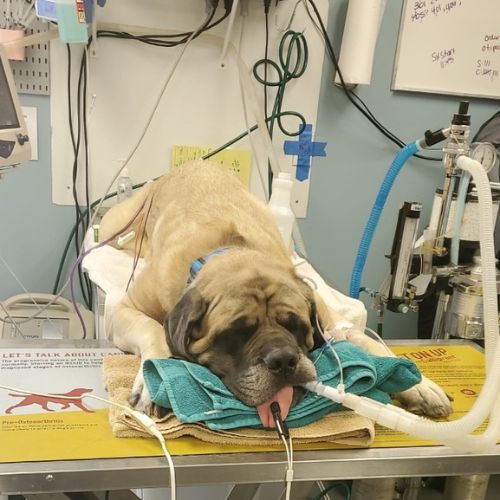
Taking the Fear Out of Anesthesia
If any type of surgery has been recommended for your pet, your first question will probably be “Is the anesthesia safe?”
The answer is…yes!
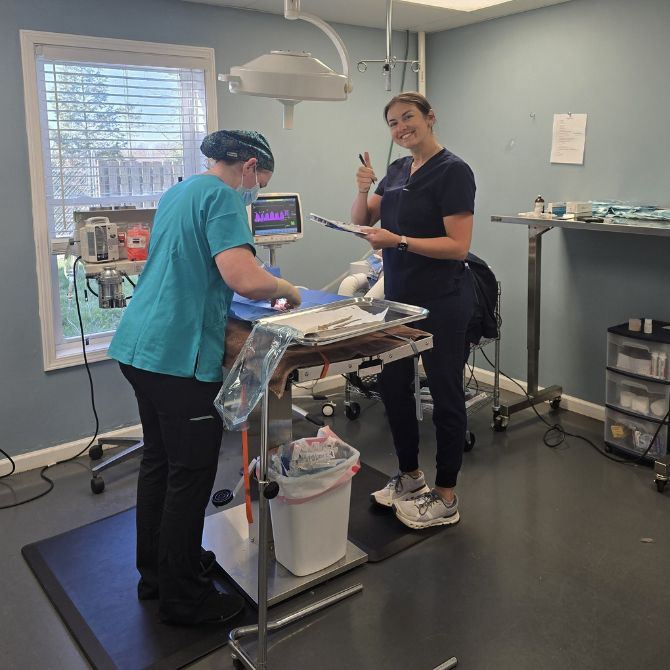
At Staunton River Vet Clinic, we take a lot of steps to ensure that your pet is kept safe during anesthesia. This includes physical exams, blood work and individual monitoring and care as well as much more.
Now for the surgery!
Here at Staunton River Vet Clinic, we provide a variety of soft tissue surgeries. We commonly perform the following surgeries:
- Ovariohysterectomy (commonly known as a spay): this is the removal of the ovaries and the uterus of a female to prevent puppies
- Neuter: this is the removal of the testicles in a male
- Mass/Tumor Removal
- Abdominal exploratory – typically performed to take biopsies of internal organs and in our clinic mostly to remove non-food items that have become stuck in the intestines or stomach.
- Limb amputation.
- Cystotomy – this is performed to remove stones that have formed in the bladder.
Every surgical patient has a check-out appointment to help answer all of your questions and go over post-operative instructions.
Frequently Asked Questions
Does my pet need blood work before surgery?
Yes. Bloodwork can find hidden health problems that can be deadly during anesthesia. Diabetes, liver disease, kidney disease, and anemia can sneak up without any symptoms early on. The older an animal is, the more likely it is to have a condition like this. It’s also beneficial for young animals so that we have a set of baseline data to look back at in the future.
Why does my pet need an IV during surgery?
Having an IV helps keep blood pressure up to protect the kidneys during surgeries. It also helps the doctor give drugs faster during an emergency. Animals that receive fluids tend to wake up and recover faster from anesthesia. IVs are included in the cost of anesthesia. (We do not routinely put IVs in cats for neuters because we can complete the procedure in less time than it takes to place the IV).
Is my pet too old for anesthesia?
Make an appointment so you can talk with the doctor about the risks. We recommend bloodwork before anesthesia to assess the function of the internal organs. Age by itself isn’t a risk factor for problems during anesthesia, but rather it’s the health problems that come with age. So an older dog/cat that has been screened for heart disease and has normal bloodwork isn’t really at much more risk. It should be noted that it is NEVER ok to leave an animal with a painful condition because it isn’t a good candidate for anesthesia. If we can’t manage the pain some other way, the animal will need to be euthanized.
Why did my pet get its entire belly shaved for a tiny incision?
In case of an emergency during surgery, the entire abdomen might need to be opened with a huge incision. We prepare for this rare event by prepping the entire area for surgery. This helps keep your pet safer, and the hair will grow back!
When do the sutures get removed?
If there are sutures on the outside, they can be removed in 2 weeks (this is the standard time for most surgeries).
Do you perform preventative surgery to ‘tack’ the stomachs of deep chested dogs so they don’t bloat (a GDV or Gastric Dilatation Volvulus)?
Yes. But remember that the surgery is not 100% effective. Even if the surgery is properly performed, it is still possible (but less likely) for a GDV to occur. The surgery does nothing to prevent bloating, it just reduces the chances of the stomach flipping if it bloats.
Do you remove dewclaws?
We do not remove puppy declaws unless it is done at the time of a spay/neuter. Hind dewclaws are generally problematic (get snagged on carpet, etc), so we recommend removing them. Front dewclaws are usually more fully formed and less dangly, so they can usually be left in place. If you have questions or concerns, our veterinarians are happy to talk to you.
Do you dock tails on dogs?
Only for medical reasons, like trauma or cancer. In the case of hunting dogs, the convenience of not getting burrs stuck in the dog’s tail isn’t enough to justify the risk of surgery and pain of recovery for the dog.
Do you crop ears?
No. We do not perform cosmetic surgeries just to conform to AKC breed standards.
Do you declaw cats?
No. It is extremely painful and very few veterinarians still perform that surgery. It is actually now illegal in the state of Virginia unless deemed medically necessary. Regular nail trimming, scratching posts, and Soft Paws are good alternatives.
What can I do to decrease my pet’s risk during anesthesia/surgery?
- Physical exam and bloodwork before surgery
- Weight loss before surgery (obesity is a major risk factor for complications)
- STRICTLY follow go-home instructions (most problems occur after surgery, not during surgery)