
Veterinary Services

Pet Vaccines and Preventative Care in Moneta, VA
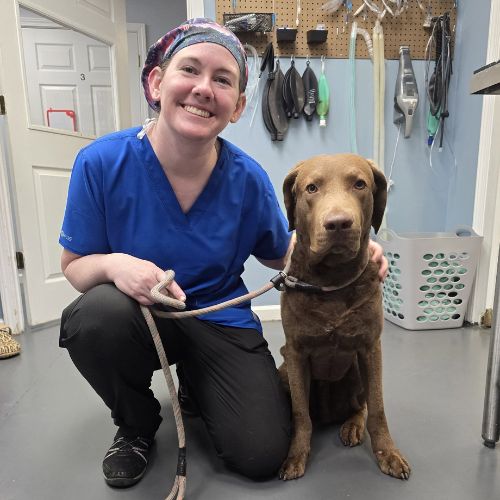
vet checking the dog at vet hospital

Protecting Your Pet’s Health Through Preventative Care

Protecting your pet’s health starts with consistent vaccines and preventative care. At Staunton River Vet Clinic in Moneta, VA, we provide personalized vaccination plans and routine preventative services to help guard against common diseases, parasites, and other health risks. From core vaccines to flea, tick, and heartworm prevention, our team focuses on keeping your pet healthy at every life stage.

Preventative care goes beyond vaccinations—it’s a proactive approach to your pet’s overall well-being. We emphasize routine wellness exams, parasite screenings, and tailored recommendations based on your pet’s lifestyle and risk factors. By staying ahead of potential health issues, we can minimize the need for more extensive treatments and help your pet maintain optimal health year-round.
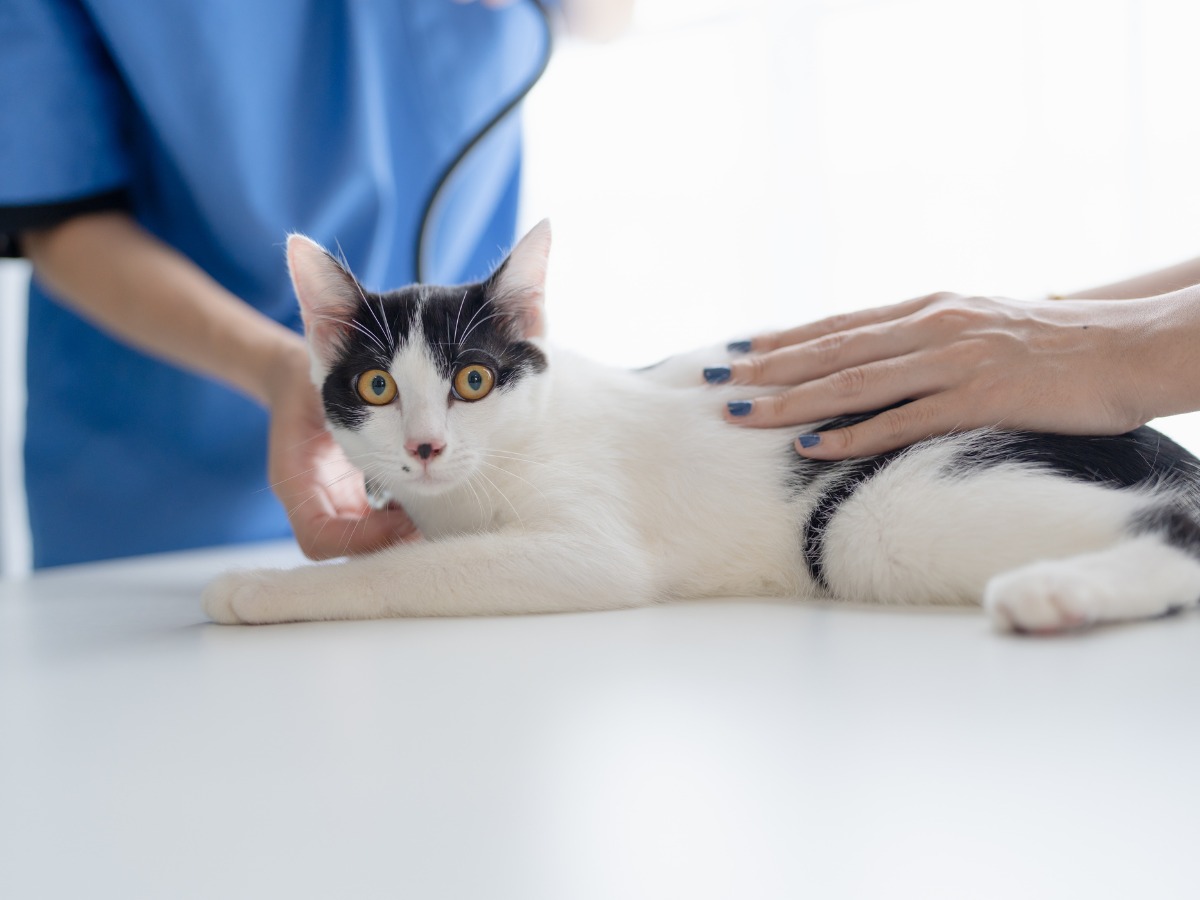
vet checking the cat at vet hospital

Frequently Asked Questions

Do older dogs/cats still need to be vaccinated?
Yes. They are still legally required to have the rabies vaccine up-to-date. They can still get the other diseases as well. For example, recently we have seen new strains of parvo that even affect older dogs.
Does my dog/cat need to be on flea/tick medication?
Yes. We recommend it for all dogs and cats year round.
Should I get my pet microchipped?

Yes! If a collar comes off of your pet, a microchip is the only way for Animal Control or a vet clinic to identify it. Microchips also help get your pet back if it is stolen. Microchips are harmless and only hurt for a moment. Microchips cannot be tracked by the government. They are identification chips, not tracking chips.

Does my pet need to come get blood work every year?
Yes, for dogs and cats we recommend yearly lab work.
Does my pet need regular exams?
Yes. We recommend having a wellness visit every year until pets are 8 to 10 years old, and then every 6 months after that.
Does my dog need to be on heartworm medication?
Yes. Heartworm is a deadly disease that is far easier and cheaper to prevent than to cure. Dogs should be kept on heartworm medication year-round and have a yearly heartworm test. We have seen heartworm on occasion in our area, and it is more common in the counties around us.
Does my cat need a heartworm preventative?
Yes. Although fewer cats get heartworm than dogs, it is much more deadly in cats. Because of this, we recommend keeping cats on heartworm preventative year round. This includes indoor cats as well.
Does my dog/cat need a heartworm test if it is kept on heartworm preventative all of the time?
Yes. Dogs are required to have a yearly heartworm test. This is because the preventatives may not be 100% effective and resistance may develop. If a dog has heartworms and is given the preventative, there can be deadly consequences. It’s also very easy to forget a monthly dose, or for a dog to spit out the medication.
Why can’t I get a dewormer without a fecal test?
Because there are many types of parasites. Most of the parasites that we see (giardia and coccidia) are not killed by dewormers. We have to know what parasites are there to prescribe the right medication. Even in cases when you find a worm in your pet’s feces and we can identify it, we still should perform a fecal test so that we can be certain that there aren’t other types of parasites as well. Most of them are microscopic and can only be found by testing.
Do I have to pay for an exam with vaccines?
Yes, your pet will need to be examined to make sure it is healthy enough for vaccinations. We do charge for our time and expertise.
Will vaccines make my dog/cat sick?
It’s normal for an animal (especially young ones) to feel a bit lethargic for a day or so after receiving vaccines. This rarely requires any treatment. Allergic reactions to vaccines are very uncommon, but are a possibility.
Is it safe to give small puppies vaccines?
Yes. However, for dogs under 10 lbs we recommend just having 1 or 2 vaccines at a time.
Why do small dogs get the same amount of vaccine as big dogs?
Their bodies are different sizes, but their immune systems both can respond to tiny amounts of vaccines. This is why large dogs (and even cows and horses) don’t need larger doses of vaccine.
If my pet had a bad reaction to a vaccine, should I get him/her vaccinated in the future?
Yes. Vaccines are still essential! If we know what vaccine caused the reaction, we’ll give a dose of diphenhydramine (Benadryl) and possibly a steroid before the next dose. If we aren’t certain which vaccine caused the problem (for example, if multiple vaccines were given), we’ll just give one vaccine at a time in the future and monitor your pet afterwards for any reaction.
Can I have my pet’s vaccine titers checked instead of getting booster vaccines?
We can, however they can be costly. Also, the rabies vaccine is required by law in Virginia, regardless of titer results.
What vaccines/preventative care are needed for puppies?

6-7 weeks old

  • Exam by the veterinarian
  • DAPP (Distemper, Adenovirus, Parvo, Parainfluenza)
  • Bordetella (kennel cough)
  • Microchip
  • Start monthly heartworm, flea, and tick medication

8-11 weeks old>

  • Exam by the technician
  • DAPP booster
12-15 weeks old
  • Exam by the technician
  • DAPP-L booster
  • Lyme

16-20 weeks old

  • Exam by the technician
  • DAPP-L booster
  • Rabies
  • Lyme booster

6 months old

  • 1st annual bloodwork
  • Spay/Neuter

Dogs will need their next boosters 1 year after the last vaccines were given

What vaccines/preventative care are needed for kittens?
6-7 weeks old
  • Exam by the veterinarian
  • FVRCP (Herpesvirus, Calicivirus, Panleukopenia)
  • Microchip
  • Start monthly heartworm, flea, and tick medication
8-11 weeks old
  • Technician exam
  • FVRCP booster
12-15 weeks old
  • Technician exam
  • FVRCP booster
  • FeLV (Feline Leukemia Virus – if cat will be outdoors)
16-20 weeks old
  • Technician exam
  • FVRCP booster
  • FeLV booster
  • Rabies
6 months old
  • 1st annual bloodwork
  • Spay/neuter
Cats will need their next boosters 1 year after the last vaccines were given